
A home remodel is exciting! You get to rethink how your home functions, explore new materials, and finally tackle the spaces you've been saving inspiration photos for over the years.
While it IS exciting, it can also be equal parts daunting, especially if you’ve never remodeled before. If there’s one thing we wish every homeowner knew before getting started its that a successful remodel has just as much to do with the planning behind the scenes as it does with the finished design.
Between budgets, contractors, material selections, timelines, and the inevitable unexpected, there are a lot of moving pieces. And the decisions you make early on can have a major impact on how smoothly your project unfolds.
Whether you're planning a kitchen remodel, updating a few bathrooms, or taking on a whole-home remodel, here are six things we'd want you to know before getting started.
Hiring a Designer First Helps Avoid Expensive Mistakes

While this may sound like a shameless services plug, one of the biggest misconceptions about remodeling is that you need to hire a contractor first and figure out the design as you go…this is totally backwards. In reality, having a designer involved from the very beginning can save you A LOT of time, money, and headaches down the road.
Think of design as the roadmap for your project. Before construction begins, we want to have a clear understanding of the layout, materials, cabinetry, lighting, plumbing, and all the details that need to work together to bring the vision to life. Intentional construction documents also allow us to get accurate pricing from the general contractors bidding the job. It also ensures your project will run smoothly with little to no change orders since all decisions have been made before a hammer is swung.
Along with aesthetics and planning, we also establish the scope of your project and align the design with your investment range.
The takeaway: Get the design figured out before you start tearing things apart.
Your Pinterest board is not a design plan.

Pinterest is a great way to gather inspiration, discover your style, and start identifying the details you're drawn to. But there's a big difference between collecting beautiful images and creating a design that actually works for your home.
An inspiration photo doesn't tell you whether that particular tile will work with your natural lighting, whether the layout makes sense for your square footage, or whether the materials will complement your home's existing architecture.
And beyond how a space looks, there's the question of how it functions for YOU.
Do you need more storage? Does your family need a better kitchen layout? Are there areas of your home that aren't being used efficiently? Do you entertain often, or is your home more of a quiet retreat? These are the kinds of questions that influence the way we design just as much as your inspiration photos.
We take all those ideas and translates them into a cohesive, thoughtfully planned space. That means considering proportions, scale, materials, functionality, and the many details that make a room feel intentional.
The takeaway: The goal isn't to recreate someone else's home. It's to understand what you love about the inspiration and translate it into something that feels uniquely yours.
Your construction budget isn't your total project investment.
This is one of the biggest areas where homeowners can get caught off guard. When discussing a remodel budget, it's important to understand the difference between construction costs and your total project investment.
Construction is just one piece of the puzzle. Depending on the scope of your project, you'll also need to account for design fees, architectural or engineering services, permits, appliances, lighting, plumbing fixtures, furnishings, materials, and other project-related expenses.
For example, you might have a construction budget in mind for a kitchen remodel, but have you accounted for new appliances?
This is why we like to establish the full scope of the project before deciding whether your budget is realistic. A kitchen refresh and a full kitchen reconfiguration are two very different investments.
The takeaway: We encourage homeowners to be open about their overall investment range from the very beginning. Knowing the budget allows us to make informed recommendations, prioritize where to invest, and identify opportunities to save without sacrificing the overall vision.
The cheapest contractor isn't always the least expensive option.

When it comes to remodeling, it's tempting to look at the bottom line and assume the lowest bid is the smartest financial decision, BUT a lower number doesn't always mean you're getting the best value.
The contractors we bring to the table are professionals we've vetted, worked with, and built relationships with over time. They may not always come in with the lowest bid, but there's a reason we trust them with our clients' homes. Quality workmanship, reliability, communication, and the ability to navigate the unexpected are all worth considering when making a significant investment in your home.
There's also a lot more to comparing bids than simply looking at the final number. That's why we develop detailed scope-of-work documents before requesting estimates. Every contractor is bidding against the same defined scope, which allows us to make a true apples-to-apples comparison. It also helps eliminate assumptions, identify missing details, and reduce the likelihood of unexpected costs once construction begins.
Even if you're bringing your own contractor to the table, having a clearly defined scope of work is essential to understanding exactly what you're paying for.
The takeaway: The goal is to find the right team for the job, one that can execute the design, communicate effectively, and deliver the level of craftsmanship your investment deserves.
Even the Best-Planned Remodel Needs Room for the Unexpected
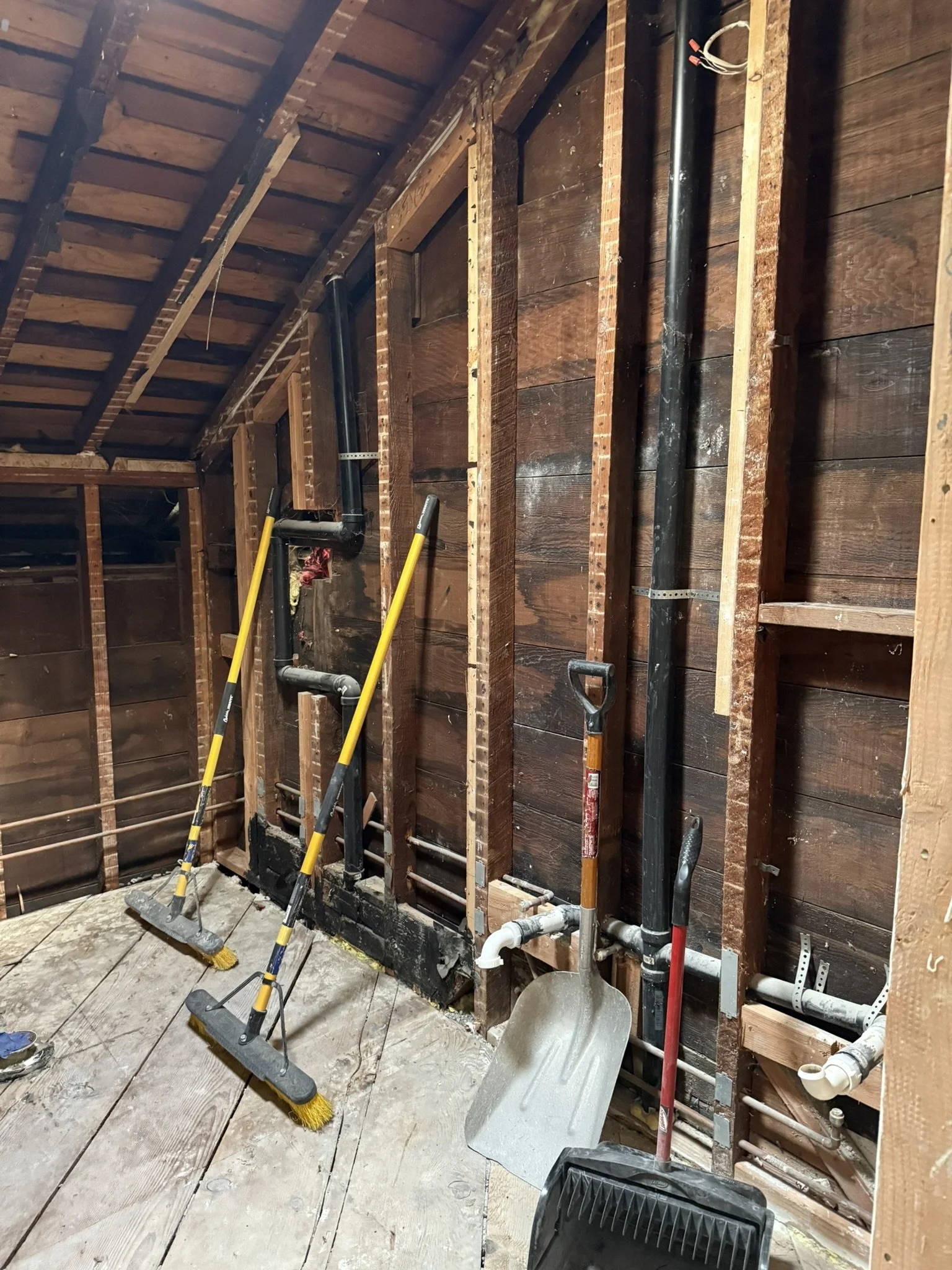
For all the unrealistic remodel scenarios HGTV likes to showcase, there's one thing they get right: the surprises that come with construction. Especially when you're working with an existing home.
Once walls, ceilings, and floors are opened up, we may discover outdated electrical, hidden plumbing issues, water damage, structural concerns, or previous work that wasn't completed properly. These are things we can't fully assess until demo begins.
This is why having a contingency budget is SO important. We encourage homeowners to set aside a reserve for unexpected expenses rather than allocating every dollar toward the planned scope of work. The appropriate amount will depend on the age and condition of the home, the scope of construction, and how much we known before demolition.
The takeaway: good planning doesn't mean nothing will go wrong. It means you have the right people and resources in place when it does.
A beautiful portfolio doesn't tell you what working with a designer is like.
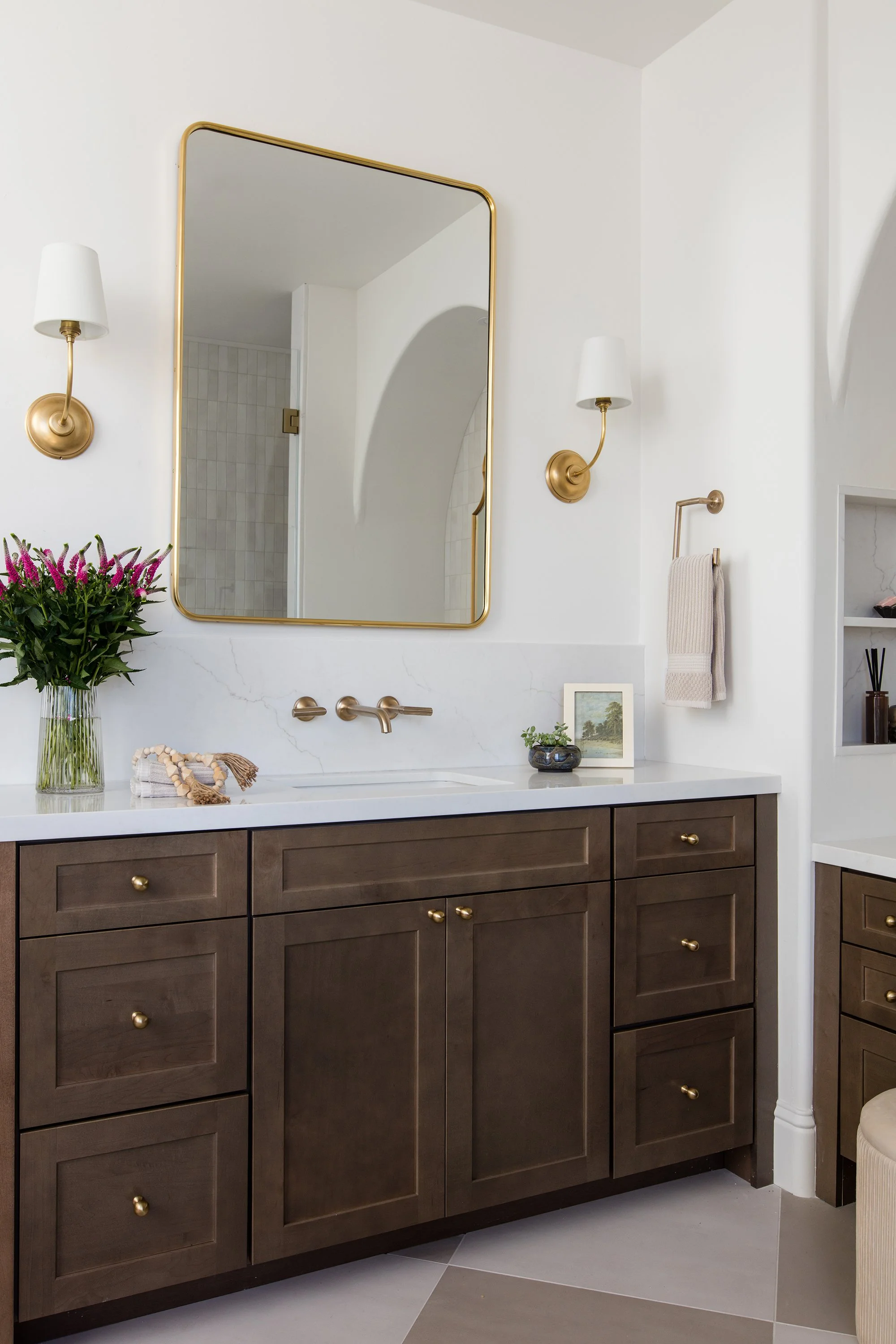
A beautiful portfolio is a great place to start when choosing an interior designer, but it only tells you part of the story. Those finished photos don't show you the countless decisions, problem-solving, communication, and coordination that went into bringing a project to life.
Before hiring a designer, take the time to understand how they work. How do they communicate throughout the project? Who is managing what? How are unexpected challenges handled? What happens when something doesn't go according to plan? You'll be working closely together for months (or longer), so finding a team you trust and feel comfortable with makes a world of difference.
At Blythe, we believe great design goes far beyond creating pretty spaces. We're here to make the entire process feel more manageable, from the first conversation to the final finishing touches. That means keeping communication open, staying ahead of details, anticipating challenges before they become problems, and finding solutions you may never even know were needed. Basically, handling your investment as if it were our own.
We're also pride ourselves on being refreshingly human. We want you to feel comfortable asking questions, sharing concerns or personal information that affects how we design your home. The takeaway: a remodel is a significant investment, and our goal is to feel just as good about the experience as you do about the finished result.
CONSIDERING A REMODEL?
Our biggest piece of advice is to start with the right conversations before making big commitments. Getting your scope, investment, design, and team aligned early can make all the difference in how your project unfolds.
And if you're not sure where to start, that's exactly what an initial conversation is for. We'd love to hear what you're considering and help you understand what the next steps could look like.